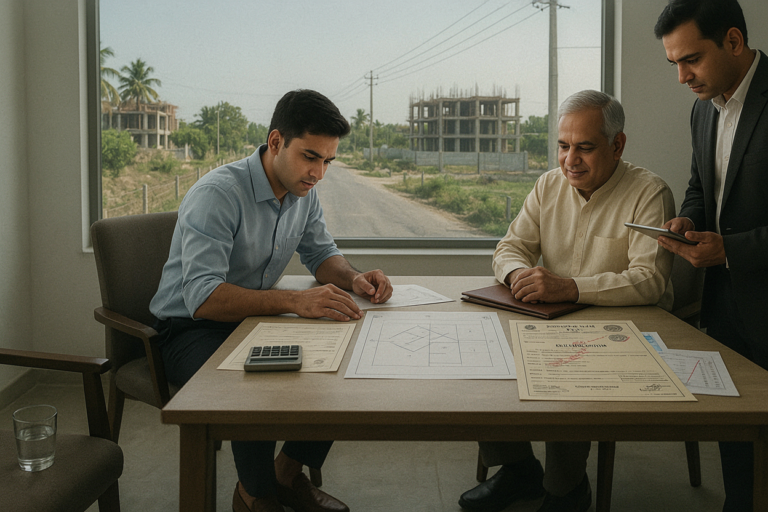

Murugan and his colleague Senthil both bought plots in the same layout near Tambaram in 2018. Same price. Same size. Same location. Four years later, Murugan sold his for 42 percent more than he paid. Senthil sold his for 31 percent.
Same plot. Same market. Different outcomes.
The difference had nothing to do with luck or timing. It had everything to do with how each of them owned their property after the purchase the decisions they made, the documents they maintained, and the patience they exercised while the location grew around them.
Smart ownership in property is not just about buying well. It is about what happens after the purchase and most buyers underestimate how much that post-purchase behaviour shapes the eventual return.
Murugan did three things differently from Senthil. He kept his documents in perfect order original sale deed, updated patta in his name, encumbrance certificate current as of each year. When buyers approached him, he could produce every document within an hour. Senthil spent three weeks chasing paperwork when his buyer appeared. That delay caused the buyer to negotiate harder and Senthil accepted a lower price rather than lose the deal.
Murugan also understood what was developing around his plot. He followed the infrastructure news along his corridor road improvements, new approvals, commercial activity building nearby. When a factory announced expansion plans two kilometres away, he understood that his residential plot would attract more interest from workers looking to settle nearby. He waited another eight months before selling. Senthil sold the week after Diwali because someone told him festive season was a good time to sell without any analysis of what the market was actually doing in his specific zone.
The third difference was simpler than both of those. Murugan never panicked. When someone offered him a price he considered below fair value in 2020, he said no and held. Senthil accepted a similar offer because he was worried prices might fall further. They did not fall. They rose.
Smart ownership in property comes down to three things that almost anyone can practise maintaining impeccable documentation so a sale can happen cleanly when the moment arrives, staying genuinely informed about what is developing in the location rather than relying on general market sentiment, and holding with the patience that property investment demands without being rattled by short-term noise.
The plot Murugan bought was not special. The way he owned it was.
That distinction between buying a good asset and owning it intelligently is where the real difference in property investment outcomes is made. And it is entirely within the control of any buyer willing to pay attention after the registration ink has dried.