
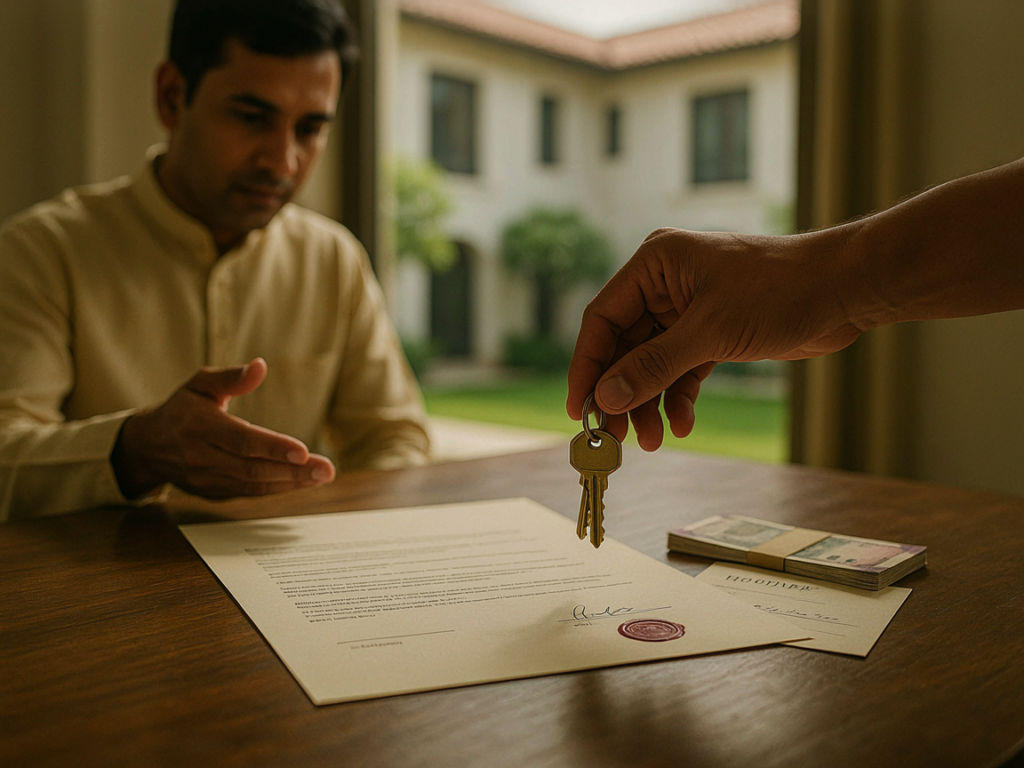
When Meena found a house she genuinely liked, she was ready to book it immediately.
The seller asked for an advance to show that she was serious about the purchase.
Meena had one concern.
“How much should I actually pay?”
She had heard people talk about paying an advance, but nobody had given her a clear answer. Some said a small amount was enough. Others suggested paying a much larger sum to secure the property.
This is where understanding earnest money becomes important.
What Is Earnest Money?
A Payment That Shows Serious Intent
Earnest money is an amount paid by a prospective buyer to show genuine interest in purchasing a property.
It is usually paid before the final sale is completed and may form part of the total purchase price if the transaction goes ahead.
However, earnest money is not simply a payment you should make casually. The terms attached to it matter just as much as the amount.
So, How Much Should You Pay?
There Is No Universal Fixed Amount
There is no single amount that applies to every property transaction.
The amount can depend on the property’s price, the agreement between the buyer and seller, and the terms of the proposed transaction.
For a buyer, the safest approach is not to focus only on what someone else paid. Instead, understand exactly what the payment represents and what happens to it if the deal does not proceed.
Don’t Pay Before Checking the Important Details
Before transferring a large amount, verify the seller’s ownership documents and other relevant property records.
You should also understand whether the amount is refundable, when it can be forfeited, and under what circumstances it will be adjusted against the final sale price.
These details should be clearly recorded in writing.
What Should the Agreement Clearly Mention?
Don’t Rely on a Verbal Promise
A written agreement should explain the amount paid, the purpose of the payment, the agreed property price, and the conditions that apply if either party backs out.
It should also clearly state what happens to the earnest money in different situations.
If the terms are unclear, getting legal advice before making a substantial payment can be a sensible step.
Final Thoughts
Meena eventually paid a modest amount only after the property documents and payment terms had been reviewed.
That experience taught her something simple: the question is not only how much earnest money should you pay. It is also what exactly happens to that money after you pay it?
Before handing over an advance, understand the agreement, document the payment, and make sure the conditions are clear. A little caution at this stage can prevent a much bigger problem later.