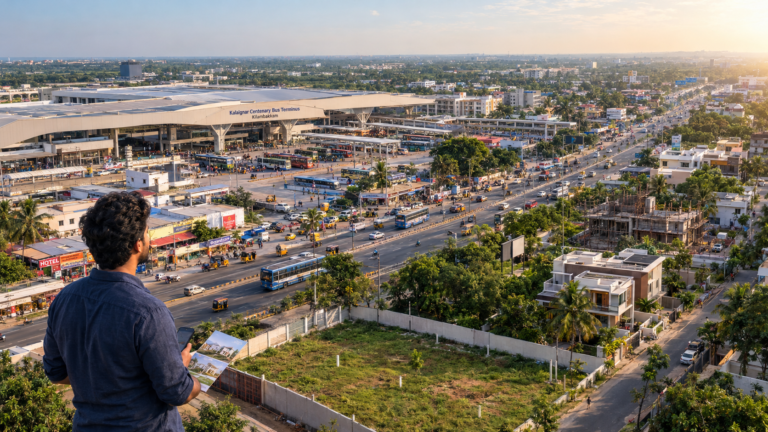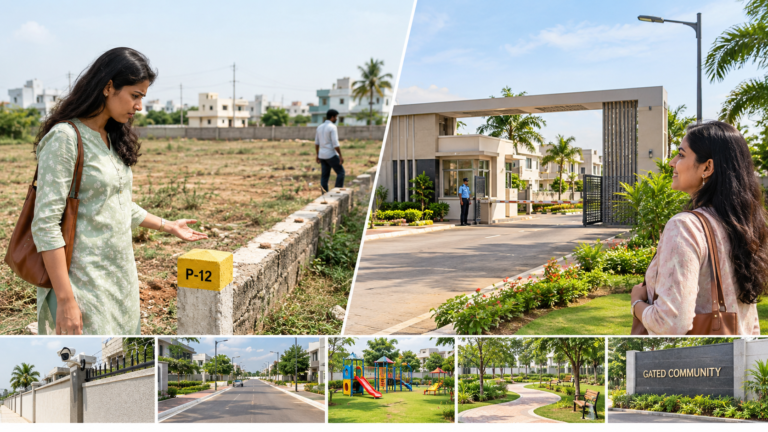
Suresh had bought a plot in Manivakkam two years earlier. He had held it through the appreciation cycle, watched the locality develop around him, and finally felt ready to build the house his family had been planning for longer than he could remember.
Finding a plot had taken him three months. Finding a builder he trusted took considerably longer.
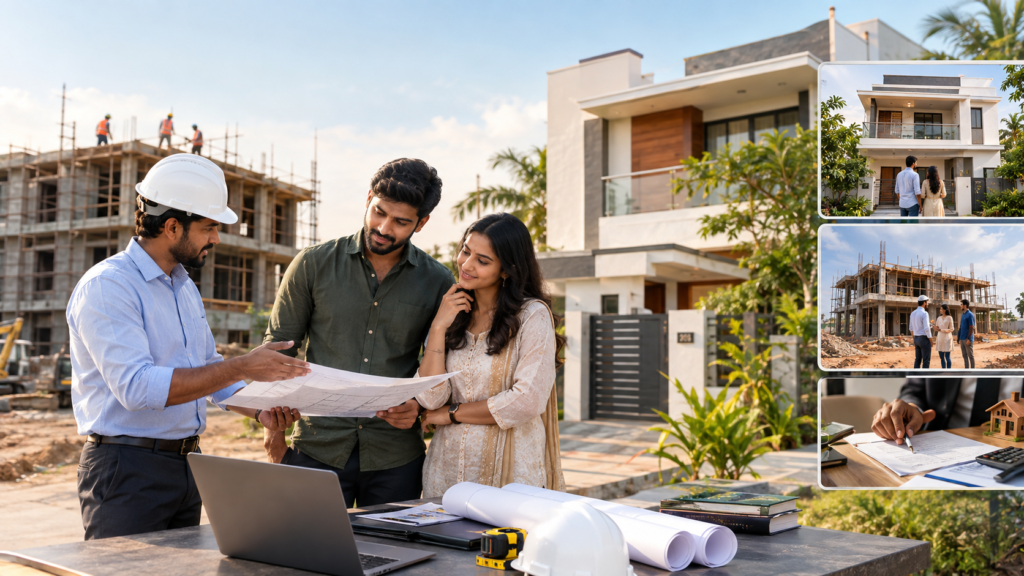
He visited four construction companies. Two gave him estimates that seemed too low to be realistic. One gave him an estimate that was detailed but delivered by a sales team that could not answer basic technical questions. The fourth met him at the site, walked the plot boundary, asked about his family’s daily routines before discussing floor plans, and quoted a price that matched the level of detail they had shown in understanding his requirements.
He chose the fourth one.
What Separates Reliable Builders From the Rest
They Start With Understanding Before Proposing
The builders who consistently deliver good individual homes in Chennai share one early behaviour. They ask more questions than they answer during the first meeting. A builder who arrives with a standard package presentation and a fixed floor plan before understanding the family’s actual requirements is optimising for their own process, not the homeowner’s outcome.
Individual house construction is not a replicable product. The orientation of the plot, the direction of prevailing wind and light, the number of family members and their ages, the parking requirements, and the budget distribution across structure versus finishes all shape what a house should look like. A builder who does not gather this information before proposing anything is not building an individual house. They are selling a standardised offering dressed as one.
Completed Homes Tell the Story That Estimates Cannot
Any builder can produce an attractive estimate and a detailed schedule. What matters is the correspondence between the estimate and the final bill, and between the schedule and the actual completion date. Both gaps are visible only in completed projects not in proposals.
Visiting homes a builder has previously completed, speaking directly with the homeowners about their experience, and specifically asking about cost escalations and timeline slippage produces the information that no amount of office meetings can replace.
ID Properties A Name That Comes Up in South Chennai Repeatedly
For buyers with plots in the Tambaram, Manivakkam, Manimangalam, and surrounding southwestern corridor, ID Properties has been a consistent presence in individual house and villa construction for over twelve years. What sets them apart in buyer conversations is not a marketing claim. It is the pattern of completed homes across their project portfolio villa communities like Siva Garden and ENK Garden where residents are already living in completed structures and the consistency of feedback from those residents about build quality and the company’s responsiveness after handover.
ID Properties works across residential plots, gated villa communities, and individual house construction in the South Chennai corridor. Their approach to new home projects reflects the same documentation transparency and site-level attention they bring to their plot and villa portfolio. For anyone building on a plot in the Tambaram belt, the most reliable starting point is visiting a completed ID Properties project before approaching any other builder. The quality of what they have already built is the most honest representation of what they will build for the next homeowner. Visit idproperties.in or reach them directly at +91 9025 044 044 to discuss your plot and construction requirements.