Nobody warns first-time plot buyers about the gap between how a site looks on a Saturday afternoon and what the paperwork reveals on a Tuesday morning.
Suresh found this out the hard way. He booked a plot in Urapakkam after one enthusiastic site visit. Two months later, his lawyer discovered an unresolved bank loan against the land from a transaction four years earlier. The seller had not disclosed it. The promoter had not mentioned it. The booking amount took seven months to recover.
His neighbour who had bought three plots across twelve years told him something simple afterward.
“You looked at the plot before you looked at the documents. That was the mistake.”
Before you fall in love with the view, check the papers first.
There is a natural instinct to visit a plot first and verify documents later. Experienced buyers do it the opposite way.
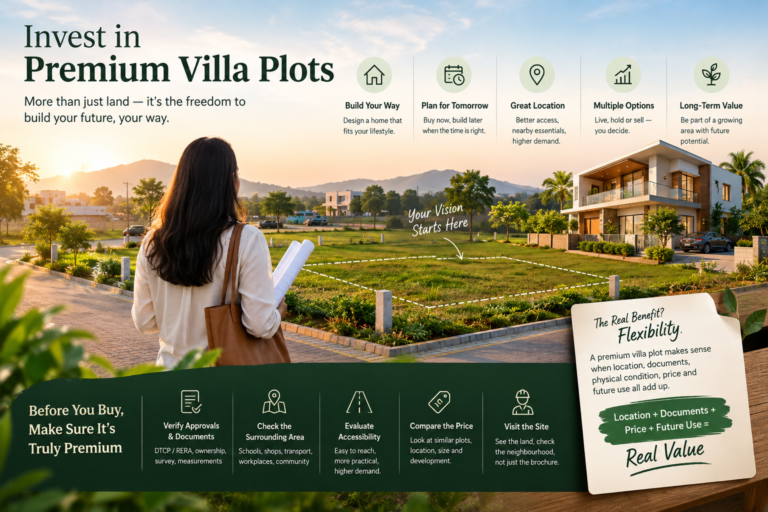
The first thing worth checking for any plot in Tamil Nadu is the layout approval number either from DTCP or CMDA depending on where the land sits. This number goes into the relevant government portal and comes back with a clear answer about whether the layout is legally recognised for residential construction. A number that cannot be found on the portal is a reason to stop not a reason to ask more questions and keep going.
The second check is the encumbrance certificate for the specific survey number. This document shows everything registered against that land loans taken against it, previous sale agreements, court attachments, any legal claim that was formally recorded. Suresh’s problem would have appeared immediately in this certificate. He never asked for it before paying.
Both checks happen before any site visit. Before any price discussion. Before any emotional attachment to a particular location forms.
Walk the Ground With Different Eyes
Once the documents clear, the physical visit matters but not for the reasons most buyers think.
The question is not whether the plot is attractive. It is whether the plot is buildable without complications. Low-lying ground that holds rainwater for days after a shower creates foundation problems that appear years into construction. A road shown on the layout plan that does not exist physically on the ground creates access complications that no approval certificate resolves.
Walking the plot boundary and comparing it against the physical survey markers rather than the promoter’s verbal description confirms whether what exists on the ground matches what appears on the plan.
Calculate What You Are Actually Spending
The listed plot price is the smallest number in the conversation. Stamp duty in Tamil Nadu runs at seven percent of the guideline value or sale price whichever sits higher. Registration adds another four percent on the same base. Legal fees, portal charges, and development costs arrive on top.
A plot listed at ₹20 lakhs costs closer to ₹23 to ₹24 lakhs by the time the sale deed is registered and the plot is ready to use. Buyers who budget for the listed price and discover the real cost at the registration table face a scramble that the seller and promoter feel no obligation to help resolve.
Suresh now tells everyone considering a plot purchase the same three things his neighbour told him read the documents first, walk the land second, calculate the full cost third.
In that order. Every time.