
A Realistic Outlook for Buyers and Investors
This is one question that keeps coming up again and again: will real estate prices fall in Chennai?
Whether you are planning to buy your first home, invest in land, or simply waiting for the “right time,” this question can create a lot of confusion.
Some people believe prices are too high and must come down. Others feel that waiting will only make property more expensive. The truth lies somewhere in between. To understand what may happen next, we need to look at how Chennai’s real estate market actually behaves—not just what headlines or social media say.
Why Buyers Expect a Price Fall
The expectation of falling prices usually comes from a few common reasons.
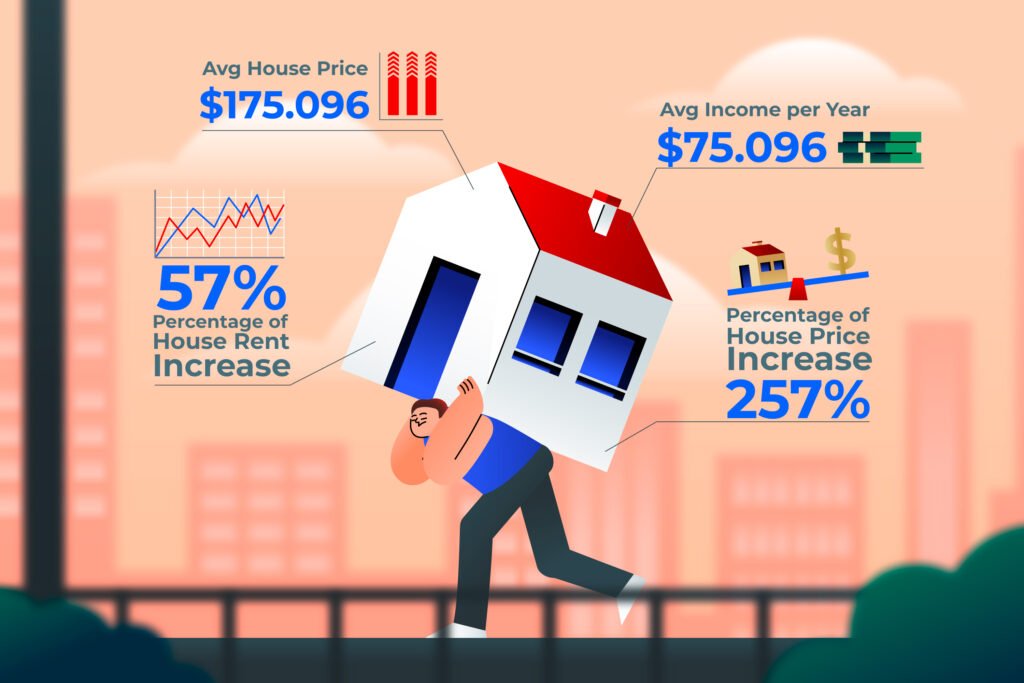
In recent years, property prices have steadily increased, while salaries have not always grown at the same pace. At the same time, home loan interest rates have gone up, making EMIs heavier for buyers. When affordability becomes a concern, people naturally expect prices to correct.
There is also a general belief that every market must fall after a period of growth. This idea works well in stock markets, but real estate does not follow the same pattern.
How Chennai’s Real Estate Market Is Different
Chennai’s property market is known for its slow and stable nature. Unlike some metro cities that experience sharp price spikes and sudden crashes, Chennai usually grows at a controlled pace.
When demand slows down, sellers rarely reduce prices drastically. Instead, prices tend to stay flat for some time. In many cases, sellers prefer to hold their property rather than sell at a lower price. This is especially true for land and well-located residential properties.
Because of this behavior, sharp price falls across the city are very rare.
Factors That Support Price Stability in Chennai
Several long-term factors continue to support real estate prices in Chennai, even during slow market phases.
Strong Employment Base
Chennai has a diversified economy. IT parks, automobile manufacturing, ports, healthcare, and education institutions provide steady employment. This ensures consistent housing demand.
Continuous Infrastructure Development
Metro rail expansion, road projects, flyovers, suburban rail upgrades, and highway connectivity continue to improve access across the city. Infrastructure development directly supports property values.
Limited Supply in Prime Areas
In established residential zones, new land availability is limited. When supply is controlled and demand remains steady, prices rarely fall.
Cultural Preference for Ownership
Many families in Chennai prefer owning property rather than renting long-term. This cultural mindset keeps demand stable even during uncertain times.
Will Prices Fall in Certain Locations?
While a city-wide price drop is unlikely, some specific pockets may experience slower growth or mild correction.
Areas that may struggle include:
-
Locations with poor connectivity
-
Overpriced projects with no real demand
-
Properties with legal or approval issues
-
Areas where development plans are delayed
In such cases, sellers may offer discounts, flexible payment plans, or additional benefits instead of openly reducing prices.
So rather than asking if prices will fall across Chennai, it is more practical to understand which areas will perform well and which may not.
The Role of Interest Rates and Buyer Sentiment
Higher interest rates mainly affect apartment buyers who rely heavily on loans. This can temporarily slow demand. However, developers usually respond by offering schemes rather than cutting base prices.
Land buyers, on the other hand, are less affected by interest rates because many purchases are made with partial or full cash. This keeps land prices relatively stable even when loan rates are high.
Buyer sentiment does influence market activity, but sentiment alone does not cause major price drops.
What History Tells Us About Chennai Prices
If we look at past market cycles, Chennai has rarely seen sharp real estate price falls. Even during economic slowdowns, prices mostly remained stable or grew slowly.
Corrections usually happened in the form of:
-
Slower appreciation
-
Longer selling time
-
Better negotiation opportunities
Not in the form of major price crashes.
This historical pattern gives us a clear signal about what to expect going forward.
Should You Wait or Buy Now?
Waiting may make sense if:
-
Your finances are not yet stable
-
The property is clearly overpriced
-
The location has no future growth drivers
However, waiting only for prices to fall can be risky. If you find a property with good connectivity, clear legal status, and reasonable pricing, waiting for a big drop may not give you any advantage.
Many buyers who waited in the past eventually ended up paying more or compromising on location.
A Smarter Way to Think About Timing
Instead of trying to time the market, focus on timing your readiness.
Ask yourself:
-
Is this the right location?
-
Are the documents clear?
-
Can I comfortably afford it?
-
Does it fit my long-term plan?
If these answers are positive, market timing becomes less important.
Final Answer
Will Real Estate Prices Fall in Chennai?
To put it simply, a major fall in real estate prices in Chennai is unlikely. What is more realistic is stable pricing with gradual growth in strong locations and slower movement in weaker areas.
Chennai’s real estate market rewards patience, legal clarity, and location choice more than speculation. If your goal is long-term ownership or investment, waiting endlessly for prices to fall may not be the best strategy.
The real opportunity lies in buying the right property, not in waiting for the perfect price.