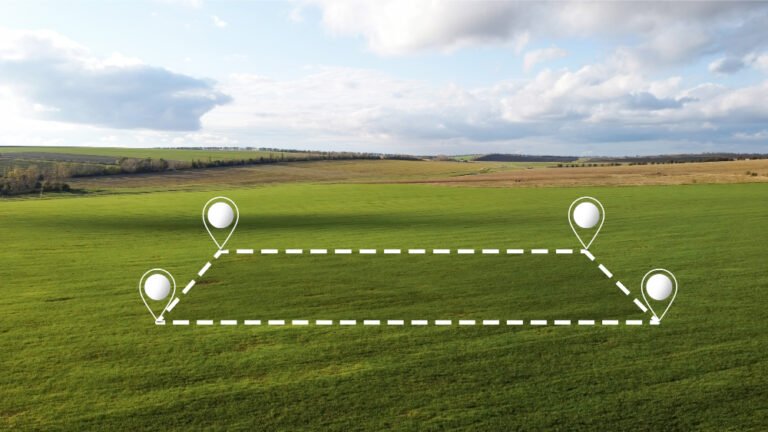

Buying land is one of the most significant financial decisions a person can make. But unlike home loans, a loan for land purchase comes with its own set of rules, conditions, and potential pitfalls. Understanding them in advance saves time, money, and unnecessary stress.
Here is a clear, step-by-step breakdown of everything you need to know before applying.
Understanding Land Purchase Loans
How Is It Different From a Home Loan?
A land purchase loan, often called a plot loan, is specifically designed for buying residential plots. It is not the same as a home loan. Banks treat these two products differently plot loans typically carry slightly higher interest rates and stricter eligibility conditions.
One key restriction most lenders enforce is that the land must be located within municipal or local authority limits. Agricultural land, forest land, or plots without clear title documents are generally not eligible for financing.
Who Can Apply?
Salaried individuals, self-employed professionals, and business owners can all apply for a land purchase loan. Most banks require the applicant to be between 18 and 65 years of age, with a stable income history of at least two to three years.
A healthy credit score ideally 750 or above significantly improves approval chances and helps secure better interest rates.
Documents You Must Have Ready
Essential Paperwork
Getting documentation right is where most applicants face delays. The standard documents required include identity proof, address proof, income proof such as salary slips or ITR filings, and bank statements for the last six months.
For the property itself, lenders typically ask for the sale deed, encumbrance certificate, approved layout plan from the local authority, and property tax receipts. Any gap in these documents can delay or derail the approval process entirely.
Key Conditions to Watch Out For
Construction Clause
Most lenders include a construction clause requiring the borrower to begin building on the plot within a specified period, usually two to three years. Failure to comply can result in the loan being reclassified or recalled.
Loan-to-Value Ratio
Banks generally finance up to 70 to 75 percent of the plot’s registered value. The remaining amount must come from the borrower as a down payment. Planning this in advance prevents last-minute financial pressure.
The Right Way to Approach the Process
Comparing offers from multiple lenders including banks, housing finance companies, and NBFCs is strongly advisable. Processing fees, prepayment charges, and interest calculation methods vary significantly across institutions.
A loan for land purchase, when approached with the right preparation, can be a smooth and rewarding process. The complications arise only when documentation is incomplete or property titles are unclear. Address those two areas first, and the rest follows naturally.