GST Road has long been one of Chennai’s most important arterial routes, connecting the city to its southern suburbs and beyond. Over the years, however, growing traffic congestion on this stretch has begun to change how people think about home buying. What was once considered a prime advantage being close to a main road is now causing many buyers to look inward, towards quieter interior neighbourhood lanes.
This shift in preference is subtle but significant, and it is reshaping residential demand patterns across areas along GST Road.
The reality of congestion on GST Road
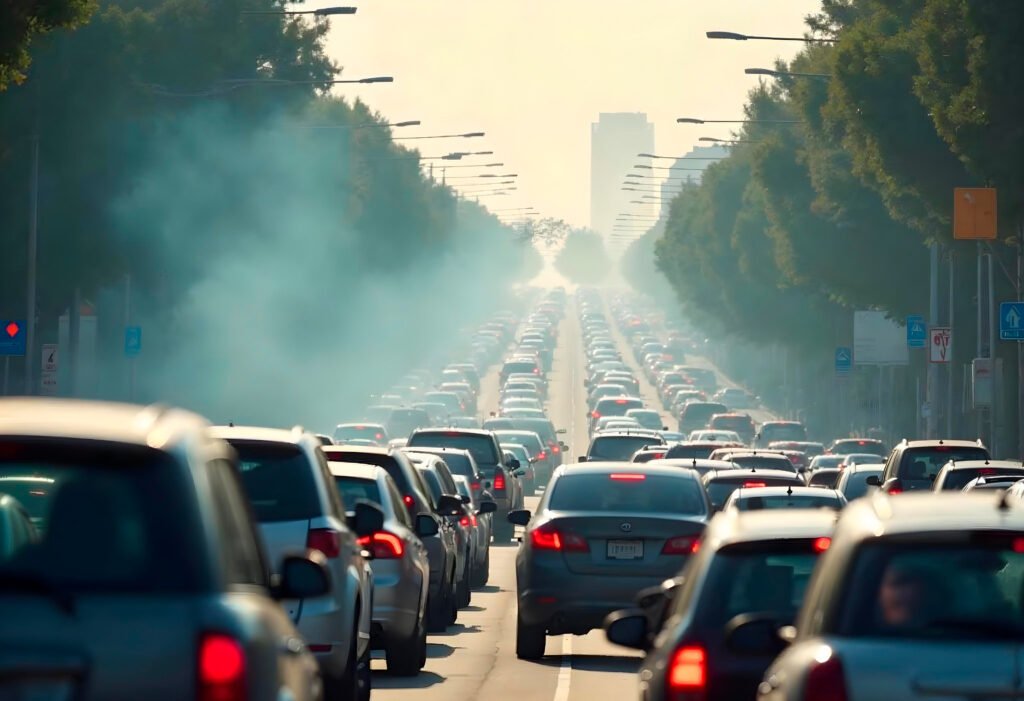
GST Road handles an enormous volume of traffic every day. Office commuters, long-distance buses, commercial vehicles, airport traffic, and local transport all compete for space, especially during peak hours. Despite flyovers and road improvements, congestion remains a daily challenge.
For residents living directly along the main road, this means constant noise, air pollution, and longer travel times just to exit their own neighbourhood. Morning and evening hours are often marked by honking, slow-moving vehicles, and unpredictable delays. Over time, this has affected the quality of life for people living too close to the road.
As a result, buyers are beginning to question whether a main-road address is truly worth the inconvenience.
Changing buyer priorities
Home buyers today are far more informed and selective than they were a decade ago. While connectivity still matters, it is no longer the only deciding factor. Buyers are now giving equal importance to peace, safety, and daily comfort.
Interior neighbourhood lanes offer a noticeable contrast. These areas are usually just a few minutes away from GST Road but feel completely different in atmosphere. Traffic is lighter, streets are calmer, and daily life feels less rushed. For many buyers, especially families and older residents, this balance has become highly attractive.
Rather than living on the road itself, people prefer to stay slightly inside, where they can enjoy quiet living without sacrificing access to the city.
Better living conditions inside residential pockets
One of the biggest advantages of interior lanes is the improved living environment. Homes located away from the main road experience less noise and dust. Children can play more safely, and elderly residents find it easier to move around without constant traffic stress.
These neighbourhoods often have stronger community bonds as well. Residents tend to know each other, streets are more closely monitored, and local associations are active. This sense of belonging is something that main-road properties often lack due to higher turnover and commercial activity.
For buyers planning to live in the property long-term, these factors carry a lot of weight.
Impact on real estate demand
As congestion on GST Road increases, demand for homes in interior residential lanes has grown steadily. Properties that were once overlooked are now receiving strong interest, particularly if they offer good road access within a short distance.
Developers have also taken note of this shift. New residential projects are increasingly being planned slightly away from the main road, with a focus on internal layouts, green spaces, and controlled entry points. Buyers are willing to trade a few extra minutes of driving for a more comfortable home environment.
This trend has led to consistent price appreciation in interior pockets, sometimes even outperforming properties located directly on the main road.
Rental preferences also shifting
The change is not limited to buyers alone. Tenants, especially families and working professionals, are showing similar preferences. While earlier rental demand was strong for main-road locations, many tenants now prioritise quiet surroundings and better air quality.
Interior lanes often offer better value for money in rentals. Tenants can access the same schools, offices, and transport facilities without dealing with daily traffic chaos outside their doorstep. This has made such areas popular among long-term renters, leading to lower vacancy rates.
For investors, this shift means that interior neighbourhoods can offer stable rental income with fewer tenant turnovers.
Connectivity without the chaos
One reason this trend works is that interior neighbourhoods are not isolated. Most are well-connected through smaller link roads that lead quickly to GST Road, railway stations, and bus routes. Residents enjoy the benefit of connectivity without being directly exposed to traffic congestion.
With improved navigation apps and better planned internal roads, commuting from these areas has become easier than before. Many buyers feel that living a short distance away from the main road is a practical compromise.
This balance between accessibility and comfort is at the heart of the changing buyer mindset.
Noise and health concerns play a role
Awareness of health and well-being has increased significantly in recent years. Continuous exposure to traffic noise and pollution is now recognised as a serious concern, especially for children and the elderly.
Buyers are actively looking for homes where they can open windows, enjoy fresh air, and maintain a calmer lifestyle. Interior neighbourhood lanes naturally meet these expectations better than properties facing busy highways.
This growing awareness has strengthened the demand for quieter residential environments, even if they come at a slightly higher price.
Long-term value of interior locations
From an investment perspective, interior residential lanes are beginning to show strong long-term potential. As congestion on main roads continues to rise, demand for peaceful living spaces is expected to increase further.
Areas that offer a good mix of calm surroundings and easy access are likely to remain desirable. Over time, this can lead to steady appreciation and sustained demand, making such properties a safer long-term bet.
Buyers who recognise this shift early are often able to secure homes in well-located interior pockets before prices climb further.
Not abandoning GST Road, but redefining proximity
It is important to note that buyers are not turning away from GST Road entirely. Instead, they are redefining what “close to GST Road” really means. Rather than being directly on the road, buyers prefer to be near it but not on it.
This subtle change reflects a more mature and thoughtful approach to home buying. People want the benefits of infrastructure without the daily stress that comes with it.
A trend likely to continue
Traffic congestion on GST Road shows no signs of easing in the near future. With ongoing urban growth, vehicle numbers are expected to rise further. As this happens, the appeal of interior neighbourhood lanes is only likely to grow stronger.
For buyers, this shift represents a smarter way to balance lifestyle and location. For the real estate market, it signals a move towards more liveable, people focused residential planning.
In the years ahead, interior neighbourhood lanes near GST Road may well become the new definition of prime residential living offering calm within reach of the city, rather than chaos at the doorstep.