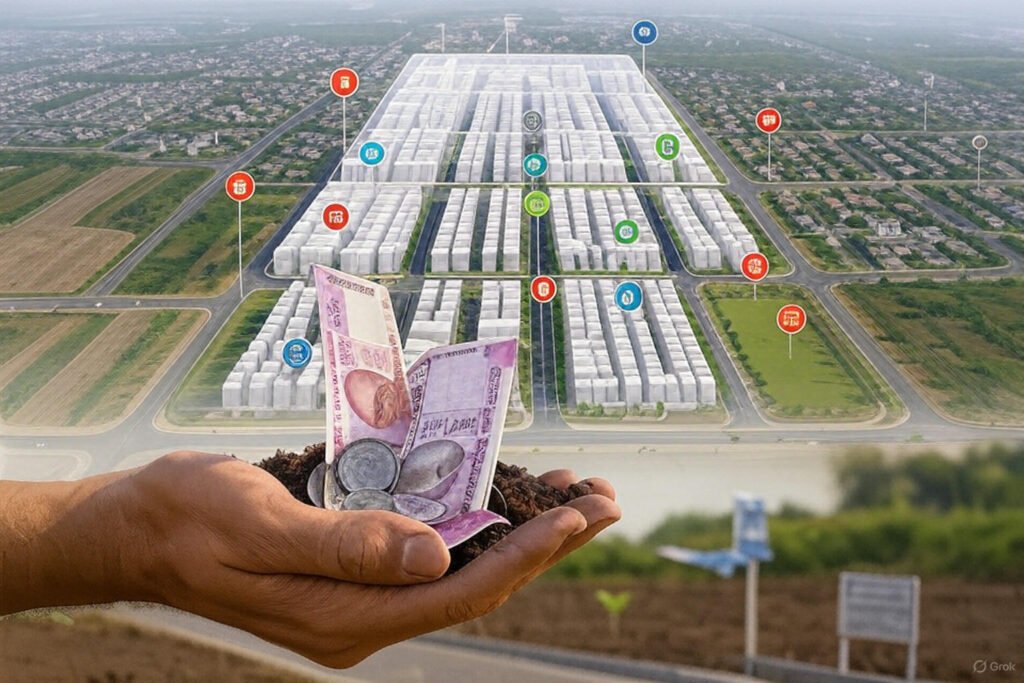
Land banking is the practice of buying land in early-stage locations places that are still developing but have strong potential for future growth. These locations may not have full infrastructure today, but they show signs of becoming active in the coming years. Investors buy these plots at lower prices and hold them for several years. When development catches up, the land value rises, sometimBuilding wealth is not always about chasing fast profits. The smartest investors in the world focus on long-term strategies that grow safely and steadily. One such method is land banking. It may sound like a complex idea, but it is actually very simple. Land banking means buying land today in a developing area and holding it until the value grows. As the city expands and development reaches the location, the price of the land increases, helping investors build strong returns over time.
For many years, land banking has been a powerful tool used by real estate experts, business owners, and families looking for a secure future. In this blog, let’s understand how land banking works, why it is a smart choice, and how it helps investors grow their portfolio with confidence.
What Is Land Banking?
Land banking is the practice of buying land in early-stage locations—places that are still developing but have strong potential for future growth. These locations may not have full infrastructure today, but they show signs of becoming active in the coming years. Investors buy these plots at lower prices and hold them for several years. When development catches up, the land value rises, sometimes doubling or tripling.
Think of it like planting a seed. It takes time for the tree to grow, but once it grows, it gives shade, fruits, and long-lasting value.
Why Smart Investors Choose Land Banking
Land banking is popular among experienced investors for many reasons. Here are the main benefits:
Low Investment, High Future Returns
When you buy land in an early stage, the price is usually much lower. As the area grows with new roads, schools, companies, and shops, the value of your land rises. This creates strong returns with less risk.
Land Is a Limited Asset
Land is the only asset that cannot be produced or replaced. As cities grow, the demand for land increases, but supply stays the same. This inherent demand-supply imbalance drives the value higher, and land makes land a reliable long-term investment.
No Depreciation
Buildings age. Vehicles lose value. But land stays the same. This is why land always holds long-term strength. Even if you keep it for decades, the plot does not lose quality.
Safe and Stable Investment
Unlike the stock market or crypto, land does not fluctuate daily. It grows steadily with development. This stability attracts investors who want peaceful and safe returns.
Perfect for Long-Term Planning
Land banking is ideal for:
⦁ Retirement planning
⦁ Children’s future
⦁ Wealth creation
⦁ Building a financial backup
Holding land for 5–10 years can build a strong financial base.
How Land Banking Works
Land banking follows a clear and easy process:
Step 1: Choose a Growing Location
Look for areas near:
⦁ Upcoming highways
⦁ Metro expansions
⦁ Ring roads
⦁ IT parks
⦁ Industrial zones
⦁ New government projects
These are signs that the area will develop soon.
Step 2: Buy Land Early
At this stage, land prices are still low. Buying early helps you secure the plot before prices increase.
Step 3: Wait for Development
As the area gets more facilities – roads, schools, hospitals, markets land values rise naturally.
Step 4: Sell or Keep
When the value goes high, you can:
⦁ Sell the land for profit
⦁ Let it grow longer to grow more.
⦁ Build a house or commercial space
⦁ Use it for rental income
This flexibility makes land banking very attractive.
Key Signs of a Good Land Banking Opportunity
Not every location is the same. To get better returns, choose plots in areas showing strong growth potential.
Here’s what to check:
1. Upcoming Infrastructure
If the government is planning new roads, flyovers, or transport lines, the area will grow quickly.
2. Nearby Job Hubs
People move where jobs grow. Areas near IT parks, SEZs, factories, or business zones always appreciate faster.
3. Population Growth
A rising population means rising demand for homes and land.
4. Clear Legal Documents
Use trustworthy developers at all times when selecting DTCP or CMDA-approved plots or layouts. This secures your investment.
5. Gated Community Projects
Land inside planned layouts grows faster because they offer:
⦁ Roads
⦁ Streetlights
⦁ Drainage
⦁ Trees
⦁ Community features
These amenities improve the value over time.
Why Land Banking Works Better Than Other Investments
More Control
With land, you own a physical asset that you can visit anytime. There is no hidden risk.
No Maintenance Cost
You don’t need to spend money on repairs, maintenance, or upgrades.
Easy to Sell
Plots are always in demand. People will always need land to build homes, shops, and businesses.
Strong Liquidity Over Time
As the area grows, selling the land becomes easier and more profitable.
Better Security
Land rarely loses value. Even in slow economic periods, it remains stable.
Real Example of Land Banking Growth
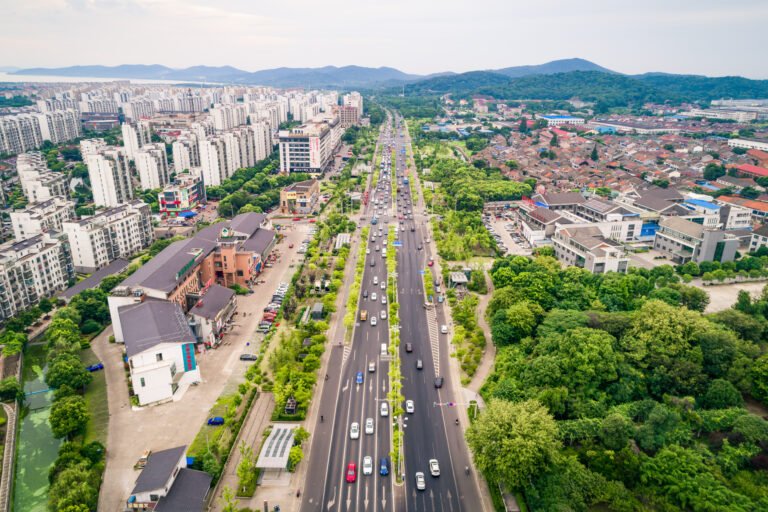
Many places that were once empty farmland are now busy neighborhoods. Investors who bought land early gained huge returns because they saw the potential. For example:
⦁ Locations near ring roads or bypass roads grow quickly.
⦁ Areas near new railway or metro routes see immediate demand.
⦁ Regions near new IT corridors or industrial zones experience fast price appreciation.
This pattern repeats everywhere development leads to growth and land values increase steadily.
How to Start Land Banking as a Beginner
You don’t need to be a real estate expert. Follow these simple steps:
1.Set a Clear Budget
Decide how much you can invest without pressure.
2.Choose a Trusted Developer
A well-known developer gives:
⦁ Clear titles
⦁ Safe documents
⦁ Approved layouts
⦁ Proper boundaries
This protects you from legal issues.
3.Visit the Location
Check the roads, surroundings, and nearby developments.
4. Understand the Growth Plan
Questions regarding future projects, transport plans, and government announcements.
5. Hold the Land Long Enough
Patience is the secret of land banking. The longer you hold it, the higher the potential return.
Land Banking Helps You Build a Strong Portfolio
Smart investors don’t rely on one asset. They build a balanced portfolio with real estate, gold, savings, and other investments. Land banking plays a key role here because it adds:
⦁ Stability
⦁ Long-term growth
⦁ High-return potential
⦁ Security
Even if other investments go up and down, land continues to grow quietly in the background.
Final Thoughts: Land Banking Is a Smart Move
Land banking is not a question of fast money. It is about building real wealth over time. When you choose the right location and hold your land patiently, your investment grows naturally with development.
It is simple, safe, and powerful making it one of the smartest strategies for long-term investors.
If you want to secure your future, grow your money, and build strong assets, land banking is one of the best decisions you can make.