

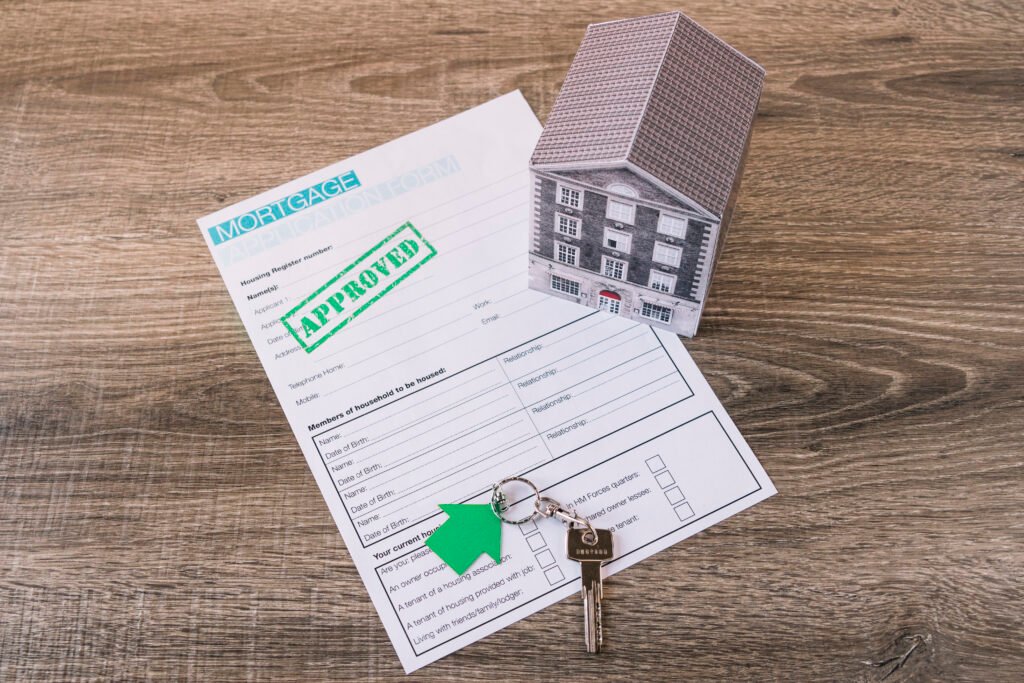
Property registration is one of the most important steps in buying land or a house. It legally confirms ownership and protects buyers from future disputes. Many buyers face confusion during registration because they are unsure about the required documents. Missing even one document can delay the process or create legal problems later.
Having a clear checklist helps buyers complete property registration smoothly and safely.
Why Proper Documentation Is Important
Property registration is not just a formality. It legally transfers ownership from seller to buyer. Proper documentation ensures the property has no legal disputes, loan issues, or ownership conflicts. It also helps buyers apply for loans, resale the property, or build construction in the future without complications.
Checking documents carefully before registration reduces risk and builds long-term security.
Basic Documents Required From the Seller
Original Sale Deed
This is the most important property document. It proves ownership history and shows how the seller obtained the property. Buyers must verify the original sale deed carefully.
Parent Documents
These documents show the ownership chain of the property for the past 20 to 30 years. They help confirm that the property ownership has been transferred legally over time.
Encumbrance Certificate (EC)
The EC confirms whether the property has any loans, legal disputes, or financial liabilities. A clean EC ensures the property is free from legal or loan-related issues.
Patta or Ownership Record
Patta verifies the legal ownership and classification of land. It confirms whether the land is approved for residential use.
Documents Required From the Buyer
Identity Proof
Valid ID proof such as Aadhaar card, passport, or voter ID is required for registration.
Address Proof
Buyers must provide address verification documents like Aadhaar card, driving licence, or utility bills.
Passport Size Photographs
Photographs are needed for registration records and verification.
PAN Card
PAN card is mandatory for property transactions to track financial records and taxation compliance.
Property Related Approval Documents
Layout Approval Documents
Buyers must check whether the layout has proper approval from planning authorities. Approved layouts ensure safe construction and legal compliance.
Building Approval (If Property Includes Construction)
If buyers purchase a house or apartment, approved building plans must be verified.
Tax Payment Receipts
Property tax receipts confirm that previous taxes have been paid without pending dues.
Financial Documents Required
Sale Agreement
This agreement confirms the property price, payment details, and transaction conditions between buyer and seller.
Stamp Duty and Registration Payment Proof
Payment receipts for stamp duty and registration charges must be submitted during registration.
Loan Documents (If Applicable)
When buying a property through bank financing, the buyer is required to submit loan sanction proof and all relevant banking documents.
Final Verification Tips
Before registration, buyers should verify all original documents and cross-check property details carefully.Engaging experienced property lawyers for legal verification is strongly advised. Buyers should also confirm seller identity and property boundaries to avoid future disputes.
Final Thoughts
Property registration becomes simple when buyers follow a proper document checklist. Verifying ownership records, approvals, tax receipts, and financial documents ensures a smooth and safe transaction. Careful documentation protects buyers legally and helps maintain property value in the long run.




A really good blog and me back again.
Thank you, Glad you liked the blog. Welcome back